
World Tourism Day: What makes a place worth travelling to?
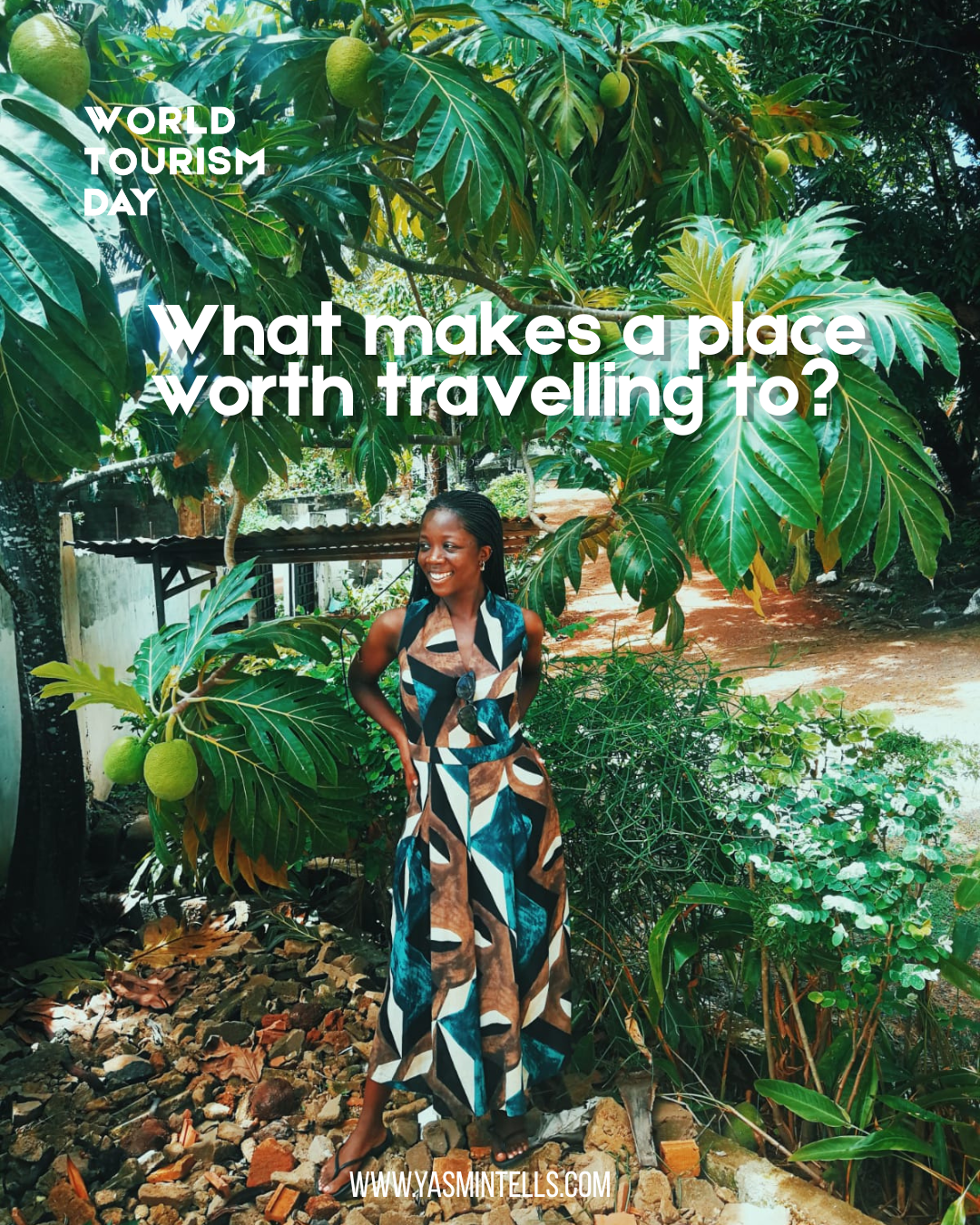
For 13 years, I have been documenting places and spaces through this platform.
It all began when I accepted the opportunity to complete an internship abroad in Senegal, West Africa whilst I completed my Bachelor’s in Interior Architecture in the UK.
Two months before I arrived in Dakar to begin my placement year, I started this site which was a blog that I now refer to as a cultural archive as I shared many of my encounters: from the artwork I was seeing and the artists I was learning about, to the restaurants I experienced, the hotels with locally made furniture, and my travels to other locations.
Hotels. Streets. Restaurants. Buildings. Beaches. Galleries. Markets. Museums. Courtyards. Neighbourhoods. Cultural Spaces
Somewhere along the way, I realised I wasn’t simply documenting places I liked, I was paying attention to what makes a place feel like itself? What gives a place its own identity? That feeling of being somewhere that cannot possibly be replicated anywhere else.
What makes us want to visit a destination more than once?
What makes us want to stay?
What makes us tell someone else “You need to experience this!”
And most importantly, where makes us no longer feel like a tourist?
I ask all of these questions as I realise that after years of travelling, observing, photographing and writing, I don’t think that it ever comes down to one thing. The places that stay deeply engrained within our mind as a memory, that stay with us, tend to be the destinations where multiple elements come together simultaneously. Where culture is not simply presented to visitors, but woven throughout the experience through many different avenues.
A hotel can tell you something about a city.
I remember the first time I visited Hotel D’joloff in Dakar and was utterly mesmerised by the use of earth in the construction of the hotel. That discovery later led me to the founders of Worofila, the architecture firm behind the redesign of the hotel’s extension, which continued to work with the same material, maintaining the integrity of the original building, preserving memory while making room for something new.
A public square or courtyard can tell you how a city lives or, even more unexpectedly, reveal which places have been used to tell stories on screen.
During a trip to Croatia, I learnt that the historic coastal cities of Dubrovnik and Split were filming locations for Game of Thrones. Suddenly, the relationship between history, tourism and film became another way of understanding these places.
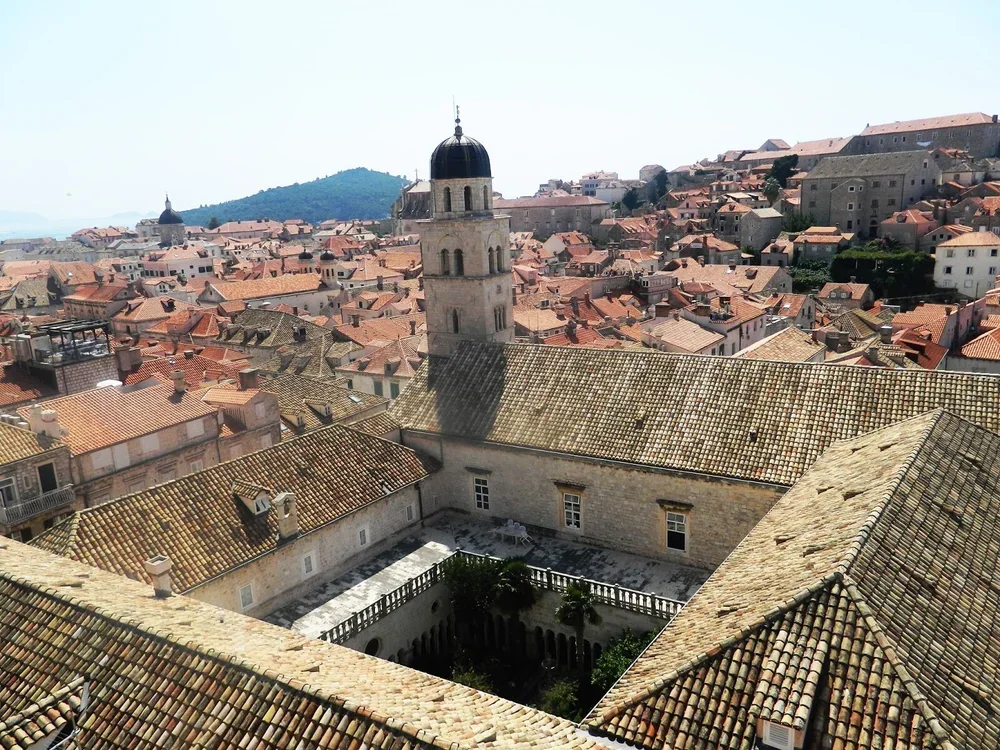
Dubrovnik views (2016)
A café can become an introduction to the people of the country. A restaurant can tell you something about the location’s food culture, whereas a museum can change the way you understand a countries history. These are the spaces through which we encounter a place. This is what consistently interests me about tourism, particularly across the African continent as there is so much currently being built, restored, developed and reimagined across the continent.
But the most compelling question isn’t simply whether a place can attract visitors.
It is:
‘What does the place have to say?’ If a destination was a person, what would they have to say? How would they describe themselves? What would they want you to understand about them?
As I look back at my work, these are the questions that I have been asking in one form or another, throughout the thirteen-year archive of Yasmin TELLS.
These questions remain at the centre of my thinking as I work in the intersection of culture, communication, place and experience and how this shapes the way people integrate and move through the world.
Because tourism is not only about destinations, it is about encounters.
When culture is authentically woven into each experience and the spaces we create within the location we call home also determines so much about what those encounters become.
Happy World Tourism Day!